

16 Jul

Walking into a live casino studio feels like stepping onto a film set where every detail has a purpose casinooscarspin.eu. For Belgian players finding Oscar Spin Casino, understanding what goes on behind the high-definition cameras turns a simple game of roulette or blackjack into something far more absorbing. These studios aren’t simply rooms with tables and dealers. They are multi-million-euro technological hubs designed to bridge the gap between the buzzing energy of a land-based casino and the ease of playing from a sofa in Antwerp or Ghent. Every element, from the angle of the lighting rigs to the acoustic padding on the walls, is fine-tuned to deliver clean streaming, crystal-clear audio, and absolute fairness. The result is an environment where the spin of a wheel or the flip of a card seems immediate and real, stripping away the digital barrier that once separated online gaming from the genuine article.
Game Variety and Themed Zones
A premium live casino studio is hardly ever a single uniform room. It is typically a complex of specialized environments designed to host an assortment of games. The traditional pit features rows of Blackjack and Baccarat tables functioning at regular betting limits, but the true visual thrill often lives in the trademark and unique game zones. These areas are designed to resemble real TV game show stages, complete with spinning money wheels, blinking arcade lights, and energetic hosts upright rather than seated. Dream Catcher, Crazy Time, and Monopoly Live are key examples where the studio changes into a vibrant theme park. For a Belgian player logging into Oscar Spin Casino, this variety means the visual experience shifts significantly as they go from a serious, hushed VIP Blackjack room to a loud, festive game show environment. The spatial division of these zones within the studio complex is essential because the noise spill from a enthusiastic game show audience would right away ruin the elegant ambiance demanded for high-limit Punto Banco.
The Growth of the Game Show Arena
The game show arena represents the most radical departure from traditional casino design, and it is now a staple in the largest live studios. These sets showcase standing hosts instead of sitting dealers, huge vertical wheels, and virtual reality visuals keyed into the video feed in real time. The floor is often lined with LED panels, and the backdrop is a interactive digital screen that adjusts to multipliers and bonus rounds. The technical complexity here is immense. The host must engage with virtual elements that do not physically exist in the room, pressing invisible buttons in the air that the computer transforms into rotating wheels on the player’s screen. This demands a particular kind of performer, someone with the drive of a radio DJ and the exactness of a stage actor. For players, these arenas offer a thrilling show that feels closer to a Saturday night TV show than a card game, demonstrating that the live studio can progress far beyond the green felt table.
The People Factor: Coaching and Presentation
Behind any smooth hand gesture and courteous smile lies an extensive training regimen that extends well past knowing the rules of blackjack. Live casino dealers are a unique hybrid of croupier, television presenter, and customer service agent. They must perfect the physical mechanics of dealing from a shoe or spinning a wheel with a steady and visually pleasing motion that remains within the tight frame of a fixed camera. Their most demanding skill, however, is often the ability to engage an invisible audience. In a land-based casino they can analyze body language. A studio dealer looks into the cold glass of a lens and must exude warmth and professionalism to hundreds of individual players simultaneously. The studios running games at Oscar Spin Casino invest heavily in grooming and presentation, making sure dealers wear clean, immaculate uniforms that appear pristine under the gaze of 4K resolution. This focus on human presentation is essential because the dealer’s face is the primary assurance that the game is live, unscripted, and happening right now.
Polyglot Ability and Cultural Sensitivity
Given the mixed linguistic landscape of Belgium, a dealer who can move seamlessly between languages is a highly valued asset in a live studio. The most sophisticated studios employ dedicated tables for specific languages or guarantee their dealer pool includes native speakers of French, Dutch, and English. This goes beyond simple translation. It involves cultural awareness, such as understanding how to manage the specific etiquette of a French-speaking player from Wallonia versus a Dutch-speaking player from Flanders. The chat function becomes a lively social space when a dealer can react naturally in a player’s mother tongue, making a light joke or recognizing a big win with genuine enthusiasm. This linguistic agility converts the studio from a sterile broadcasting room into a cosmopolitan hub where Belgian players feel recognized and catered to, rather than just another anonymous login on a global server. It strengthens the idea that the studio is a place of personalized entertainment, not mass-produced content.
Why the Studio Is Important for the Belgian Player
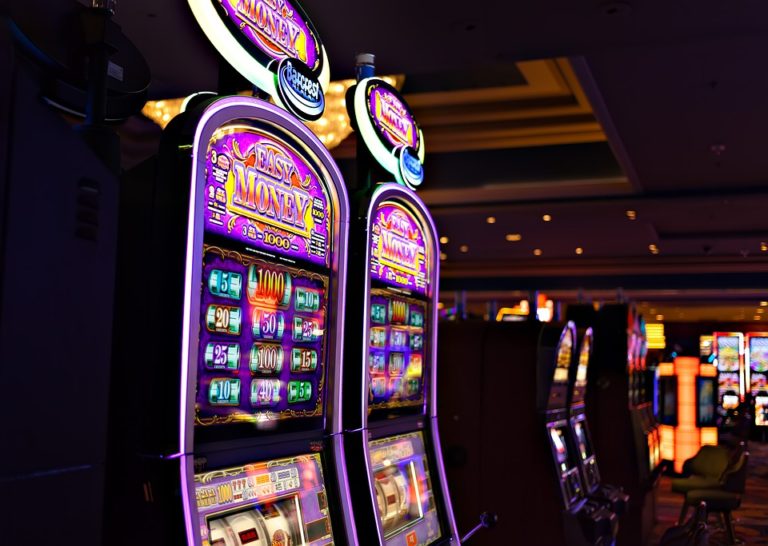
The live studio is the physical manifestation of trust and entertainment factor, two cornerstones that carry more importance for the perceptive Belgian audience. Players in Belgium have at their disposal a varied selection of land-based gaming houses, from the historic casinos of Spa and Blankenberge to the modern elegance of Viage in Brussels. To match that heritage, an online platform cannot simply present a webcam pointed at a folding table. It must create a studio that competes with the atmosphere of a brick-and-mortar venue while incorporating the digital conveniences of immediate history tracking, multi-table play, and variable stakes. The studio environment directly affects the rhythm of the game. A well-designed studio enables a pace that feels balanced and comfortable. And the understanding that the studio is subject to the same rigorous licensing conditions as a physical casino, often under the supervision of the Belgian Gaming Commission, offers a layer of legal protection and peace of mind that unregulated streams just cannot offer.
Ambiance Versus Ease of Use
A fundamental challenge encountered by each live studio lies in striking the right balance of replicating the exclusive atmosphere of a VIP room and maintaining the accessibility inherent to an online platform. An environment that seems too austere and silent can feel cold and unwelcoming, failing to provide the escapism which users seek. One that comes across as too loud and chaotic drives away those that favor a focused, strategic approach to table games. The best studios handle this through creating distinct zones with varying energy levels, enabling players select their mood. An exclusive salon privé might feature leather-bound chairs visible in the background and a dealer that talks in hushed, discreet tones, while the main floor hums with a gentle, convivial energy. This segmentation proves beneficial for a platform like Oscar Spin Casino, because it ensures that a player wanting a quiet game at roulette during a lunch break won’t be pushed into a party atmosphere, and a player looking for Friday night excitement will locate a host matching their goal.com energy. The studio evolves into a chameleon-like space tailored to the emotional needs of a player.
The live casino studio is significantly more than a broadcasting room. It is a precisely crafted ecosystem where hospitality, technology, and regulatory compliance meet. Starting with the acoustic panels that reduce the echo through the smart shoes that read every card, all details is designed to create a dependable bridge between the dealer’s hand and the player’s screen. For those exploring these games on Oscar Spin Casino, understanding the complexity behind the lens adds a rich layer of depth to each session, turning a simple bet into an acknowledgment of a global broadcasting achievement that takes the authentic casino floor directly into the heart of Belgium.
The architectural blueprint of a current studio
The actual building of a live casino studio represents an unusual blend broadcast engineering and indoor design. A conventional physical casino depends on opulent chandeliers and sprawling floor space to create ambiance. A live studio, on the other hand, is a small, regulated space where every square meter is fine-tuned for camera angles. The floors are often strengthened to eliminate even the tiniest tremor that could jostle a camera during a critical roulette spin. Walls get finished with anti-glare matte coatings in deep, rich tones to block glare on the monitors, while numerous layers of soundproofing ensure the dealer’s voice reaches with studio-quality clarity. For players at Oscar Spin Casino, this signifies a visual feed that seems personal and clear, free from the annoying background noise of a packed main area. The layout is commonly set up in clusters, with specific areas for blackjack, baccarat, and roulette, each bordered by minor lighting variations that announce a transition in game feel without the player requiring to touch a single setting.
Illumination and audio as reliability indicators
Lighting in a live casino studio goes beyond simply lighting the action. It actively builds trust. A dimly lit table casts shadows that can obscure card values or the final position of the roulette ball, seeding hidden uncertainty in the player’s mind. Professional studios use a triple-point lighting arrangement that bathes the felt in a warm, uniform light, erasing dark corners where a doubtful person might envision sleight of hand. The dealers are highlighted to look natural and approachable, with a key light that illuminates their eyes and strengthens a sense of human connection. On the acoustic side, the goal is to pick up the satisfying click of chips and the gentle shuffle of cards without adding the buzz of cooling systems or the echo of a large warehouse. This sound setting matters for Belgian players who rely on audio cues to track the game speed, especially when juggling tasks. When the sound of a ball rolling into a pocket arrives at the player’s ears in exact synchronization with the video, it verifies the nonexistence of latency or manipulation and fortifies the studio’s credibility.
Regulatory Supervision and Fairness Protocols
A live studio operating for the Belgian market exists within a rigorous framework of regulatory compliance that governs everything from card storage to camera retention. Regulators require that all card shoes are inspected and tracked, that decks are changed at designated intervals, and that shuffling procedures stay completely visible to the overhead cameras. The studios undergo unannounced audits where inspectors actually visit the floor to confirm that the equipment has not been manipulated and that the random number generators utilized for game show wheels are approved. The video feed by itself is a compliance document. All streams are recorded and archived, allowing regulators to examine after the fact any issue. For a player at Oscar Spin Casino, this signifies the live stream is not just amusement but a authoritative record of events. The presence of the pit boss, often noticeable in the background of a wide shot, is not just for show. They are accountable for supervising dealer conduct and ensuring that every hand is dealt according to the house rules approved by the gaming authority.
Anti-Fraud Protocols and Card Security
The security protocols surrounding the playing cards are extraordinarily rigorous and often verge on the obsessive. Cards are housed in locked cabinets with double-lock keys, and every deck is tagged with a unique barcode that is checked the moment it reaches the table. This enables the system to monitor exactly how long a deck has been in play and automatically mark it for removal. Dealers are schooled to keep their hands flat on the table when not actively dealing, and they are instructed to burn cards or cut the deck in a precise, consistent order that leaves no room for manipulation. The shoe itself is often a smart device that scans the card as it is pulled, cross-referencing it with the OCR system to spot any mismatch instantly. Should a card be inadvertently shown or slipped, strict protocols mandate it is immediately voided and placed in a transparent discard box that is kept fully visible. This level of transparency is vital for Belgian players who want the reassurance that the digital distance does not open the door for foul play.
The Technical Foundation: Cameras and Optical Character Recognition
The real dealer continues to be the centerpiece of the production, but the true hidden champion of the streaming environment is the embedded systems that logs every round result. Professional live cameras with narrow focus optics zoom in precisely the gaming area while blurring out the background, guiding the player’s gaze exactly where it needs to go. Such cameras are often automated, operated from a distance by a director in another control room to avoid any physical interference at the table. More importantly, each table is equipped with Optical Character Recognition capabilities. Miniature readers embedded within the table or mounted discreetly above it in real time read the value of every card drawn and every number hit on the roulette wheel. This data gets converted into digital overlays that appear on the player’s screen in real time, so even if a video stream lags momentarily, the official result is captured and logged permanently. For a member of Oscar Spin Casino, this means the interface updates immediately and provides total clarity about wins or losses.
Game Control Units and Dealer Terminals
Each dealer position is anchored by a Game Control Unit (GCU), a compact but powerful device that essentially translates the physical setup of the table. The GCU is the brain responsible for encoding the video feed and, critically, managing the interface the dealer uses to start betting rounds and confirm results. If a dealer forgets to close a betting window, the GCU alerts them, stopping human error from compromising a game round. The dealer’s monitor is typically a touchscreen built flush into the table, maintaining the sightline clean for the overhead cameras. This interface lets the dealer see chat messages from players, track the betting status, and trigger the spinning of automated wheels. The tight integration of the GCU keeps the pace of play lively but never rushed, a balance that experienced players in Belgium appreciate when they sit down for an extended session. This union of human dexterity and digital oversight is what makes the modern studio a fortress of reliability.
Broadcast Reliability and Gamer Link
The ultimate segment of the live casino experience, the internet connection between the production hub and the player’s device, is typically the weakest point in the chain, and broadcasters dedicate substantial effort in resilience. A professional studio does not rely on a single fiber optic line. It uses redundant, geographically diverse internet backbones to make certain that if a construction crew accidentally severs a cable, the stream instantly fails over to a backup channel without dropping a single frame. The video is processed using adaptive bitrate technology, which implies the stream quality dynamically adjusts to the player’s bandwidth. A Belgian player on a high-speed connection in Brussels will receive a rich 4K stream, while someone on a mobile network in a rural area will automatically receive a lower resolution that still maintains audio sync and smooth motion. This technical orchestration happens invisibly, but it is the key element in whether a live session feels like a premium event or a buffering frustration. The studios powering Oscar Spin Casino recognize that the best game in the world is worthless if the player cannot see the winning number land.